Do I Need a Hair Transplant? Alternatives Explained
Medically reviewed by Dr Margo Gkini, Consultant Dermatologist, MD, MSc, PhD, FRCP - August 2026
Is a Hair Transplant the Only Solution?
A hair transplant is one of the best-known treatments for pattern hair loss, but it is not the only option – and for many people, it isn't the most appropriate method to start the management of hair loss.
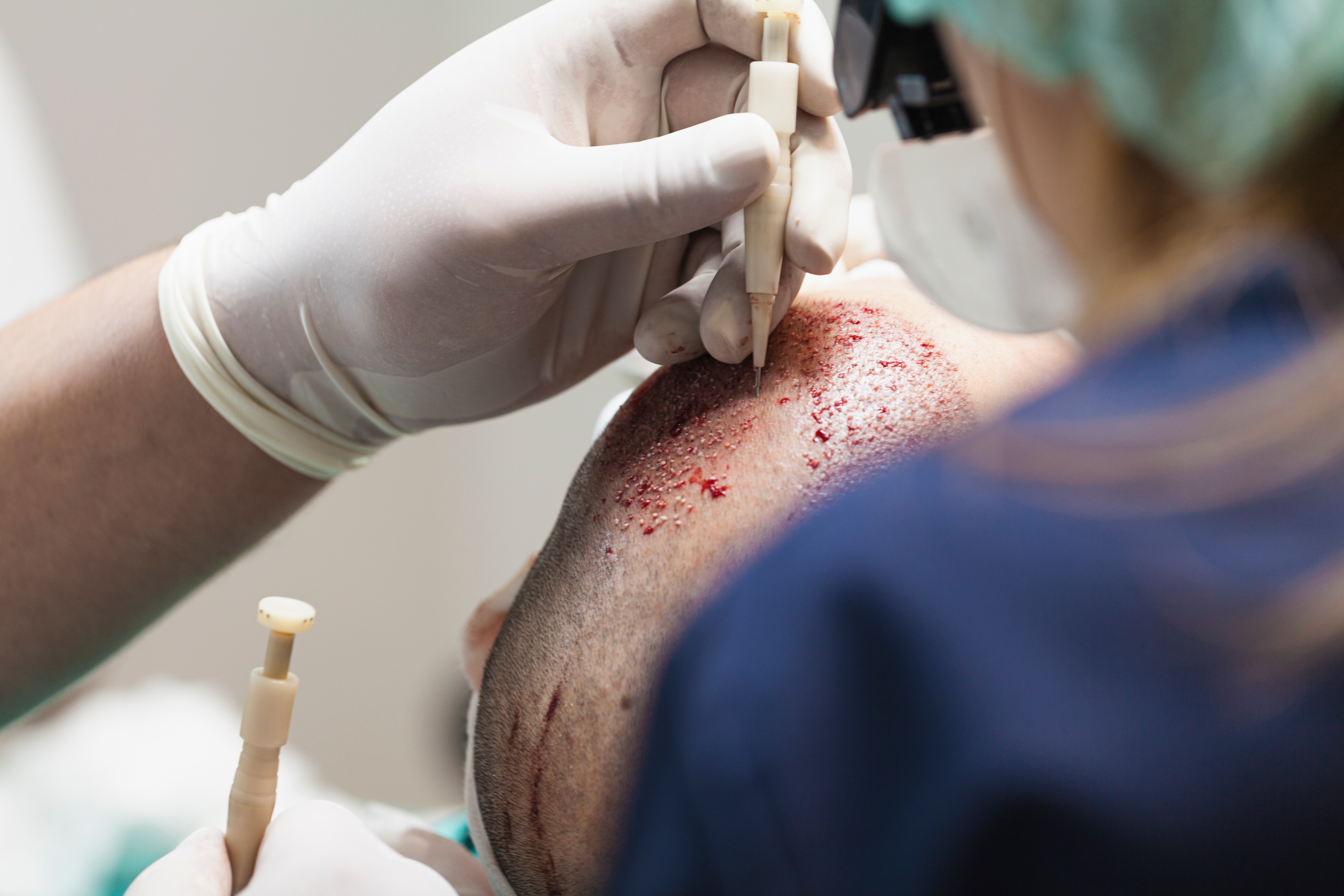
Hair transplantation is a surgical procedure that redistributes existing hair from one part of the scalp to another. It does not stop the underlying cause of hair loss, nor does it create new hair follicles.
For many people with male or female pattern hair loss, the first step is understanding the cause of their hair loss and exploring evidence-based medical treatments that can stabilise shedding and promote regrowth before considering surgery.
What Is a Hair Transplant?
A hair transplant involves moving healthy hair follicles from an area where hair is genetically resistant to thinning (usually the back or sides of the scalp) to areas affected by hair loss.
The two most common techniques are:
Follicular Unit Extraction (FUE)
Follicular Unit Transplantation (FUT)
Both techniques can produce natural-looking results when performed by experienced surgeons, but they do not prevent future hair loss in untreated areas of the scalp.
Who Is a Hair Transplant Most Suitable For?
Hair transplantation is usually most appropriate for people who:
Have stable male pattern hair loss
Have sufficient donor hair available
Have realistic expectations
Are in good general health
Other causes of hair loss such as :
Telogen effluvium
Nutritional deficiencies
Untreated thyroid disease
Early or rapidly progressing hair loss
Need to be excluded before proceeding with a hair transplantation.
To understand the different causes of hair loss, read What Are the Most Common Types of Hair Loss? A Simple Explanation.
Why Medical Treatment Often Comes First
One of the biggest misconceptions is that a hair transplant replaces the need for medical treatment.
In reality, many hair restoration specialists recommend stabilising hair loss before surgery.
This is because treatments such as prescription-strength minoxidil, finasteride or dutasteride can:
Slow further hair loss
Improve existing hair density
Preserve surrounding follicles
Reduce the amount of surgery that may be needed
If progressive hair loss continues after a transplant, untreated hairs surrounding the transplanted follicles may continue to thin, affecting the overall appearance.
To learn more, read What Actually Treats Hair Loss? The Evidence-Based Ingredients Explained.
Can Hair Density Increase Without Surgery?
For many people, yes.
The answer depends on the type and stage of hair loss.
Evidence-based prescription treatments can often:
Reduce shedding
Increase hair density
Improve hair shaft diameter
Slow or halt progression
People who seek treatment early often have the greatest opportunity to preserve and strengthen existing hair.
To understand how long these treatments typically take to work, read How Long Does Hair Regrowth Actually Take?
Are There Alternatives to Hair Transplants?
Depending on the diagnosis, alternatives may include:
Prescription Treatments
Prescription-strength treatments remain the gold standard for male and female pattern hair loss.
These include:
Minoxidil
Finasteride (where appropriate)
Dutasteride (in selected cases)
Correcting Underlying Medical Conditions
Hair thinning caused by:
Iron deficiency
Thyroid disorders
Nutritional deficiencies
may improve once the underlying cause has been addressed.
Related reading:
Low-Level Laser Therapy
Some people may benefit from low-level laser therapy (LLLT) as part of a wider treatment plan, although evidence is less extensive than for prescription medications.
What Results Can Be Expected From a Hair Transplant?
A successful hair transplant can improve density in selected areas of the scalp, but expectations should remain realistic.
A transplant cannot:
Restore the hair density of adolescence
Prevent future hair loss
Replace ongoing medical management where appropriate
Results also take time.
Most transplanted hairs shed initially before entering a new growth cycle.
Visible improvement usually develops gradually over 9–12 months.
It is also important to note that most patients will be prescribed medical treatments, such as prescription-strength minoxidil, following their hair transplant to maintain their results.
Patients should be aware that a second procedure may be necessary. According to the International Society of Hair Restoration Surgery (ISHRS), approximately 30% of patients require a second transplant to achieve their desired goals.
Can Women Have Hair Transplants?
Yes, although careful assessment is particularly important.
Many women experience diffuse thinning rather than the classic distribution of male pattern hair loss.
Prescription topical or oral treatment is often the first-line approach for female pattern hair loss.
To learn more, read What Is Female Pattern Hair Loss? A Simple Explanation.
When Should I Consider a Hair Transplant?
It may be worth discussing a transplant with a specialist if:
You experience prolonged hair loss
Hair loss has stabilised
Medical treatment has been optimised
There is sufficient donor hair
Expectations are realistic
Hair loss continues to affect confidence despite appropriate treatment
Surgery should generally be viewed as one option within a broader long-term management plan, rather than a standalone solution.
How Hair + Me Can Help
Every Hair + Me treatment begins with a thorough online consultation that's reviewed by our team of qualified UK-licensed Pharmacist Prescribers. They'll assess your hair loss pattern, medical history, lifestyle and treatment goals to determine whether treatment is appropriate and, if so, create a personalised treatment plan tailored to your individual needs.
Using clinically-proven, prescription-strength ingredients, your treatment is designed to address the underlying cause of your hair loss, helping to reduce shedding, support regrowth and improve hair density over time. As your hair changes, your treatment can too. Regular reconsultations allow your prescriber to review your progress and, where appropriate, reformulate your prescription to help you achieve the best possible results.
Final Thoughts
A hair transplant can be an excellent treatment for carefully selected individuals, but it is rarely the only option.
For many people, prescription treatments can successfully slow hair loss, improve density and preserve existing hair – particularly when started early.
Understanding the cause of hair loss and exploring evidence-based treatment options before considering surgery often leads to better long-term outcomes.
Continue Reading
What Are the Most Common Types of Hair Loss? A Simple Explanation.
What Actually Treats Hair Loss? The Evidence-Based Ingredients Explained.
Scientific References
Jimenez F, Alam M, Vogel JE, Avram M. Hair transplantation: Basic overview. J Am Acad Dermatol. 2021 Oct;85(4):803-814.
Queen D, Avram MR. Hair Transplantation in Women. J Drugs Dermatol. 2025 Sep 1;24(9):851-855
Patwardhan N, Mysore V; IADVL Dermatosurgery Task Force. Hair transplantation: standard guidelines of care. Indian J Dermatol Venereol Leprol. 2008 Jan;74 Suppl:S46-53.
Helpful Resources
Hair Regrowth Starts Here
Thicker, fuller hair begins with a scientifically proven treatment, personalised for your hair by our experts.
Treatment subject to dermatological assessment.