What Is Postpartum Hair Loss? A Simple Explanation
Medically reviewed by Dr Margo Gkini, Consultant Dermatologist, MD, MSc, PhD, FRCP - March 2026
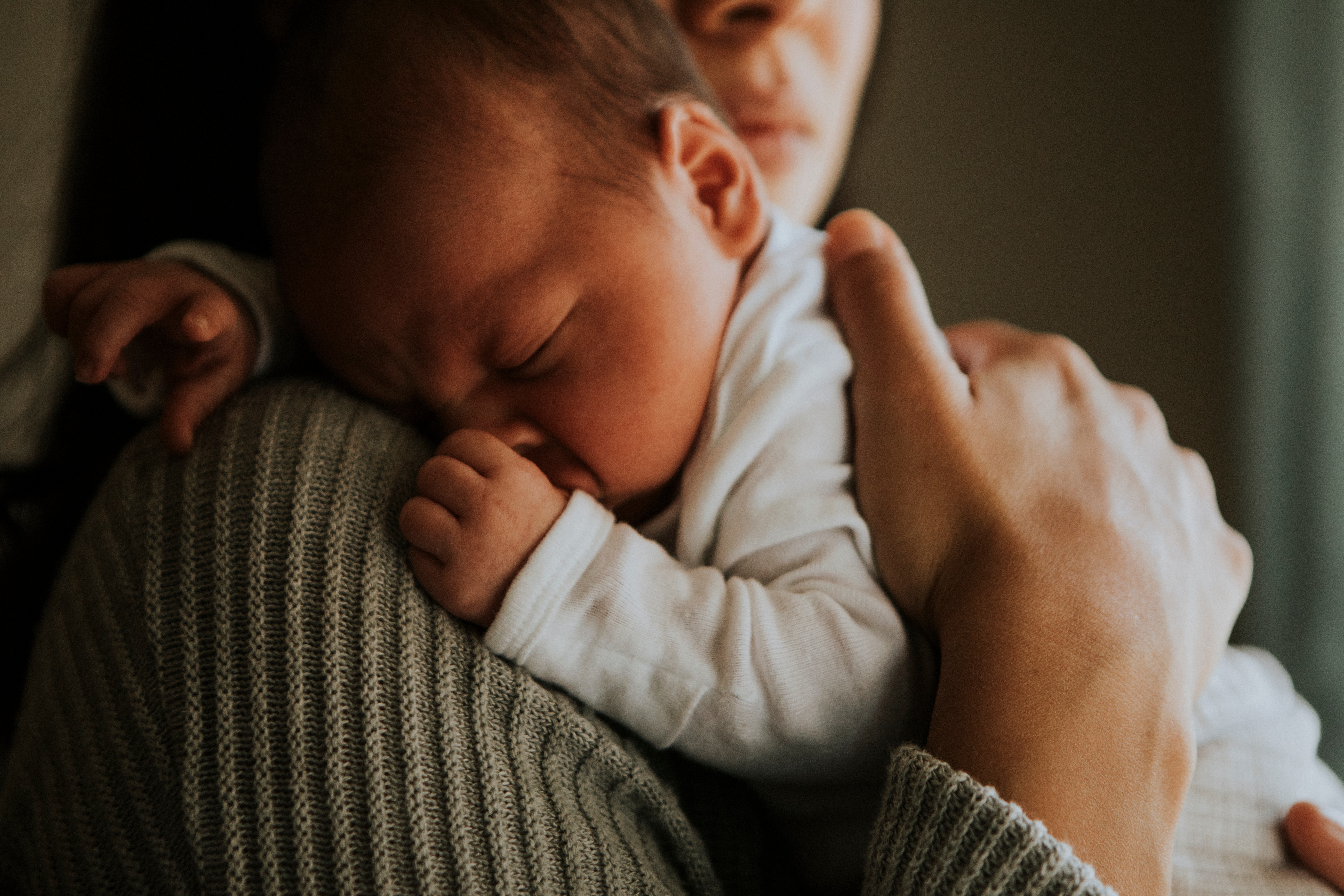
Postpartum hair loss – also known as postpartum telogen effluvium – is a common and temporary form of hair shedding that occurs after pregnancy.
During pregnancy, high levels of oestrogen keep hair in the growth phase for longer than usual. This often makes hair feel thicker and fuller. After childbirth, oestrogen levels drop rapidly, causing a large number of hairs to enter the shedding phase at the same time.
The result? Noticeable hair shedding – often starting a few months after giving birth.
Up to 50% of women experience some degree of postpartum hair loss. While it can feel alarming, it is usually temporary and self-resolving.
What Actually Causes Postpartum Hair Loss?
Postpartum hair loss is driven by hormonal changes, not permanent follicle damage. Here’s what’s happening beneath the surface:
1. Oestrogen levels drop suddenly
During pregnancy, elevated oestrogen prolongs the hair growth (anagen) phase. After delivery, hormone levels return to normal, triggering many hairs to leave the growth phase at once.
2. More hairs enter the shedding phase
Instead of shedding gradually over time, a larger number of hairs enter the telogen phase together. This creates the impression of sudden or excessive hair loss.
3. The hair cycle resets
The follicles are not damaged. They are simply moving through a natural reset – shedding old hairs so new growth can begin.
When Does Postpartum Hair Loss Start – and How Long Does It Last?
Postpartum shedding follows a fairly predictable timeline:
2–4 months after birth: Shedding begins
4–6 months postpartum: Shedding may peak
6–12 months postpartum: Regrowth gradually becomes noticeable
For most women, hair density returns to its pre-pregnancy state within 12 months.
If shedding continues beyond this window – or worsens over time – it’s worth seeking clinical advice to rule out other causes.
What Does Postpartum Hair Loss Look Like?
Postpartum hair loss usually presents as diffuse shedding, rather than patches or bald spots.
Common patterns include:
1. Increased hair fall
More hair than usual in the shower, on brushes or on pillows.
2. Thinning around the hairline
Many women notice thinning at the temples or along the frontal hairline, sometimes called ‘baby hair loss.’
3. Overall reduction in volume
Hair may feel flatter, finer or less dense.
Unlike pattern hair loss, postpartum shedding does not usually cause progressive thinning at the crown or widening of the part over time.
Early Signs to Look Out For
Postpartum hair loss often starts subtly. You may notice:
More hair collecting in the shower drain
Increased shedding when brushing or washing
Hair feeling thinner overall
Short regrowing hairs around the hairline
Reduced ponytail thickness
Although distressing, these signs are usually part of a normal postpartum process.
Who Is Most Likely to Experience Postpartum Hair Loss?
Postpartum hair loss can affect anyone who has been pregnant, but it may be more noticeable if:
You experienced significant hair thickening during pregnancy
You have a personal or family history of hair loss
You are under physical or emotional stress
You have low iron or other nutrient deficiencies
You are breastfeeding (which can prolong hormonal changes)
Does Breastfeeding Cause Postpartum Hair Loss?
Breastfeeding does not cause postpartum hair loss. However, hormonal changes associated with lactation may influence how long shedding lasts.
Some women notice shedding resolves after breastfeeding ends, while others see regrowth earlier. Both patterns are normal.
Postpartum Hair Loss vs. Other Types of Hair Loss
Not all hair loss after pregnancy is postpartum shedding. Other conditions can overlap or become unmasked during this time.
Postpartum hair loss (Form of Telogen Effluvium)
Temporary
Diffuse shedding
Improves within 6–12 months
Other forms of Telogen Effluvium (non-postpartum)
Triggered by stress, illness, surgery, or weight loss, but can occur at any time
Female pattern hair loss
Gradual, progressive thinning
Widening part or crown thinning
May continue beyond 12 months
A clinician can help distinguish between these causes based on pattern, timing and medical history.
Is Postpartum Hair Loss Permanent?
For the vast majority of women, no.
Postpartum hair loss is temporary and the follicles remain healthy. Once hormone levels stabilise, the hair growth cycle resumes normally.
However, pregnancy can sometimes reveal underlying female pattern hair loss that may not have been noticeable before. This is why persistent or worsening thinning should be assessed.
How Postpartum Hair Loss Is Diagnosed
Diagnosis is usually clinical and based on:
Timing after pregnancy
Pattern of shedding
Medical and hormonal history
Absence of scarring or patchy hair loss
Blood tests may be considered if shedding is severe or prolonged, particularly to assess iron levels or thyroid function.
Treatment Options for Postpartum Hair Loss
In some cases, treatment isn’t required – time and reassurance are enough. That said, supportive options may help:
1. Gentle hair care
Avoid tight hairstyles, harsh brushing and excessive heat.
2. Nutritional support
Correcting iron deficiency, vitamin D deficiency or other nutritional gaps can support regrowth.
3. Scalp and hair health
Using gentle, nourishing products can reduce breakage and improve the hair’s appearance while regrowth occurs.
4. Prescription treatment (in select cases)
If postpartum hair loss persists or overlaps with pattern hair loss, a clinician may recommend targeted treatment.
When Should You Seek Help?
It’s worth speaking to a clinician if you:
Experience shedding lasting longer than 12 months
Notice progressive thinning rather than improvement
See widening of the part or crown thinning
Have symptoms of iron deficiency or thyroid imbalance
Feel distressed or anxious about hair changes
Early reassurance – or early intervention when needed – makes a meaningful difference.
Final Thoughts
Postpartum hair loss is:
Common
Temporary for most women
Part of the body’s natural reset after pregnancy
While it can feel upsetting to see hair fall out at a time when you’re already adjusting to so much change, understanding what’s happening – and knowing what’s normal – can be incredibly reassuring.
In most cases, regrowth comes with time. And when it doesn’t, support is available.
References
Gizlenti S, Ekmekci TR. The changes in the hair cycle during gestation and the post-partum period. J Eur Acad Dermatol Venereol. 2014 Jul;28(7):878-81.
Olsen EA. Hair Loss in Women. N Engl J Med. 2025 Oct 16;393(15):1509-1520.
Dakkak M, Forde KM, Lanney H. Hair Loss: Diagnosis and Treatment. Am Fam Physician. 2024 Sep;110(3):243-250.
Hair Regrowth Starts Here
Thicker, fuller hair begins with a scientifically proven treatment, personalised for your hair by our experts.
Treatment subject to dermatological assessment.